
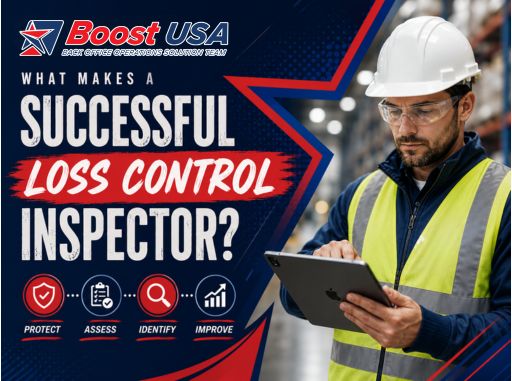
A property and casualty insurer is only as accurate as the people who walk the property. Underwriting decisions, premium pricing, and claims forecasts all lean on one report from one inspector standing in one parking lot, one warehouse, one boiler room. When that Loss Control Inspector misses an erroneous electrical panel or misjudges how much life is left in a roof, the cost shows up months later as a claim nobody saw coming. So, what actually separates an inspector who protects a book of business from one who quietly erodes it? It comes down to a specific, learnable set of skills.
Essential Skills Every Successful Loss Control Inspector Needs
Technical inspection knowledge tops the list, but it is not the whole list. A capable Loss Control Inspector reads a roof system, a sprinkler layout, and an electrical panel the way an underwriter reads a balance sheet, looking for what does not match the application.
Strong hazard identification skills mean catching the things an insured would never think to mention: a space heater tucked under a workbench, inadequate egress in a renovated mezzanine, housekeeping issues that hint at larger maintenance neglect. Just as important is the ability to translate field observations into a report an underwriter can actually act on, with clear severity ratings, photo documentation, and recommendations tied to specific codes or carrier guidelines rather than vague language that gets challenged later.
Why Insurance Risk Assessment Requires More Than a Checklist
The inspectors who consistently produce useful reports treat insurance risk assessment as judgment, not box checking. Two buildings can pass the same checklist and still carry very different exposure once you factor in the age of mechanical systems, occupancy changes, prior loss history, and how an operation actually behaves day to day.
A seasoned inspector adjusts the depth of the visit accordingly, spending extra time where operational risk is highest rather than treating every property and casualty inspection identically. That judgment is what keeps loss ratios in check and keeps underwriters trusting the reports that land on their desks.
Average vs. High Performing Loss Control Inspectors
The table below sums up the difference between an inspector who simply completes the visit and one who genuinely protects the policy:
Area | Average Inspector | High Performing Inspector |
Hazard Identification | Notes obvious, visible issues | Flags latent risks tied to occupancy and maintenance patterns |
Reporting Quality | Generic narrative, vague severity | Specific findings with code referenced recommendations |
Turnaround Time | Inconsistent, often delayed | Reliable, scheduled to carrier SLAs |
Insured Communication | Transactional, rushed visits | Builds rapport that improves access and cooperation |
Follow Through | Submits report, moves on | Flags items for recommendation tracking |
That gap rarely shows up on a resume, which is exactly why it matters during the hiring process.
How Loss Prevention Strategies Begin with Accurate Field Inspections
Every loss prevention strategy a carrier builds, from recommendation follow up to renewal pricing to risk selection, depends on field data being accurate the first time. Training bodies built specifically around this profession, such as the Insurer’s Loss Control Institute, structure inspector education around real world inspection practice and reporting standards that hold up under underwriting scrutiny. Carriers and MGAs that invest in inspectors trained to that standard tend to see fewer disputed recommendations and a faster path from inspection to a bound policy.
The Biggest Challenge in Hiring Qualified Loss Control Inspectors
Most carriers, MGAs, and loss control firms can describe a strong Loss Control Inspector without much trouble. The harder problem is sourcing one, especially across a territory and on a deadline, without pulling underwriting or operations staff away from their own workloads. Generalist recruiters rarely understand the difference between a candidate who has tagged along on five ride alongs and one who can run an independent inspection from day one.
Final Thoughts
The quality of a loss control program is ultimately determined by the people conducting the inspections. The most advanced underwriting models, risk management frameworks, and loss prevention strategies all depend on accurate field intelligence.
A skilled Loss Control Inspector does more than identify hazards. They help carriers make better underwriting decisions, improve risk selection, reduce preventable losses, and protect long term profitability. As competition for experienced inspection talent continues to intensify, the organizations that consistently outperform will be the ones that invest in finding, hiring, and retaining inspectors who can deliver reliable risk insights from day one.
Frequently Asked Questions About Loss Control Inspectors
What skills are essential for becoming a successful loss control inspector?
Successful loss control inspectors need a combination of technical inspection knowledge, hazard identification skills, risk assessment expertise, and strong report writing abilities. They must be able to recognize potential exposures, evaluate property conditions, communicate findings clearly, and provide actionable recommendations that support underwriting decisions.
How do loss control inspectors help insurance companies improve risk management?
Loss control inspectors help insurers identify risks before they result in claims, property damage, or liability losses. Their inspections provide underwriters with accurate field data, enabling better risk selection, more informed pricing decisions, and proactive loss prevention strategies that improve overall portfolio performance.