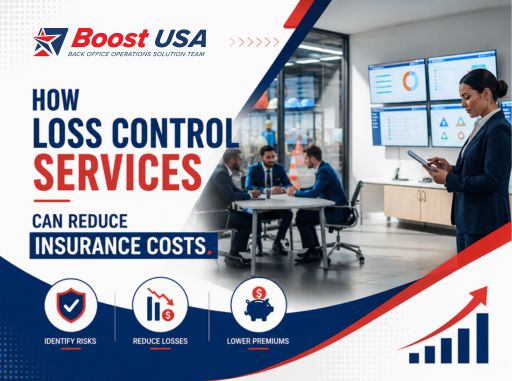
A single overlooked electrical hazard can turn into a six figure insurance claim. A skipped property inspection can turn into a denied renewal. Insurers, MGAs, and risk management firms that treat loss control as a mere paperwork formality usually pay for it later through higher loss ratios, slower underwriting cycles, and rising operational costs. Loss control services are a strong support for business operations. When done correctly, they catch hazards before they become payouts.
Also, loss control services give underwriters the data they need to price risk with confidence and remove the administrative drag that silently inflates costs.
Why Insurance Costs Continue to Rise
Rising premiums are rarely due to one bad policy. These premiums build up from small, repeated failures: a property risk assessment pushed back a week, a recommendation left open, or a report arriving too late to influence the renewal decision.
Without consistent insurance risk mitigation built into the workflow, insurers end up with faulty and costly underwriting. They price policies based on applications and historical claims data rather than current onsite conditions. That gap between assumed and actual risk is where most preventable losses and avoidable costs originate.
What Loss Prevention Services Actually Identify
Field inspections routinely surface issues that never show up on an application or in historical claims data:
- Outdated or unsafe electrical systems
- Blocked fire exits and inadequate suppression coverage
- Poor housekeeping and slip and fall exposures
- Equipment that is overdue for maintenance
- Gaps in employee safety training and compliance documentation
Each of these is a claim waiting to happen. Surfacing them early through structured loss prevention services enables insurers to require corrective action, adjust pricing, or decline a risk before it ever results in a loss.
Where the Cost Savings Actually Appear
Loss Control Action | Risk Addressed | Typical Cost Impact |
Property risk assessment at binding | Hidden building, fire, or safety hazards | Lower claim frequency and more accurate pricing |
Guided self inspections | Inspection backlogs and delayed reporting | 50%+ savings compared to traditional field inspections |
Recommendation tracking and follow up | Unresolved hazards from prior inspections | Fewer repeat claims and stronger renewal data |
QA review of inspection reports | Inconsistent or inaccurate field data | More reliable underwriting risk management |
The pattern across every row is the same: the earlier a risk is identified and acted upon, the cheaper and more manageable it becomes.
Why Loss Control Programs Stall Without the Right Support
Most of the time, insurers do not lack a loss control strategy. They lack the business operations support needed to run it efficiently. During peak seasons, additional headcount is required as inspection volume increases sharply.
Recommendations get logged but are never followed up on. Reports sit in a queue as renewal deadlines approach. These are not underwriting failures. They are operational ones, and they are exactly where outsourced business operations support changes the economics.
When inspection scheduling, recommendation tracking, and quality assurance run on a dedicated, scalable workflow instead of a stretched internal team, insurers close the gap between identifying risk and actually acting on it.
How the Right Operations Partner Helps Lower Loss Control Costs
Boost USA builds business operations support around the full loss control lifecycle: guided self inspections, BoostRM recommendation management, QA review of completed reports, territory manager support, and direct integration with platforms like LC360. Carriers and MGAs that outsource this workflow typically save 50% on self completed inspections and 25% on video guided inspections. This improves both turnaround time and report consistency.
The Insurance Information Institute notes that businesses with active risk management programs tend to file fewer claims and are often rewarded with lower premiums over time. Strong underwriting risk management depends on exactly this kind of consistent, well executed property risk assessment, not a one time inspection that gets filed and forgotten until the next renewal cycle. Learn more from the Insurance Information Institute.
Frequently Asked Questions About Loss Control Services
How do loss control services help insurance companies manage risk more effectively?
Loss control services help insurers identify potential hazards before they lead to accidents, property damage, or liability claims. By providing accurate risk data and actionable recommendations, they support better underwriting decisions and proactive risk mitigation. This leads to fewer losses and a stronger overall risk management strategy.
What types of insurance costs can be influenced by loss control services?
Loss control services can influence several insurance related costs, including claim payouts, loss adjustment expenses, inspection costs, and underwriting expenses. By reducing the frequency and severity of losses, they help improve loss ratios and operational efficiency. Over time, this can contribute to lower overall insurance costs and improved portfolio performance.
Final Thoughts
Insurance costs are not driven solely by claims. They are driven by the risks that go unnoticed, the recommendations that go unresolved, and the operational gaps that delay action. Effective loss control is not an expense to manage.
It is a cost reduction strategy that improves underwriting accuracy, prevents avoidable losses, strengthens renewal outcomes, and protects profitability long before a claim is filed. Organizations that treat loss control as a proactive business function rather than a compliance requirement will be the ones that consistently outperform on both risk and cost.
Stop Paying for Preventable Risks and Reduce Insurance Costs Today
Every unresolved recommendation, delayed inspection, and missed hazard adds unnecessary cost to your portfolio. Discover how Boost USA can streamline your loss control operations, reduce inspection costs, and help prevent claims before they happen. Schedule your free loss control assessment today.