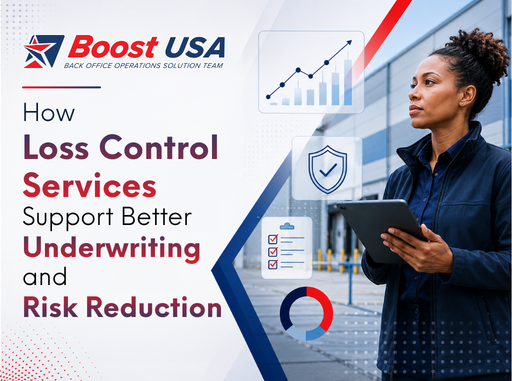
Insurance underwriting is only as good as the information behind it. Even then, many insurers, MGAs, and risk management firms continue to make important coverage decisions using incomplete property data, delayed inspection reports, or inconsistent risk evaluations. This often results in preventable claims, inaccurate pricing, and rising loss ratios. This is where Loss Control Services become essential.
Loss control services are more than a compliance exercise. Modern loss control is a strategic function that helps insurers identify hazards before they become claims. This improves underwriting accuracy and supports proactive risk reduction measures.
When implemented effectively, loss control creates a direct connection between field level observations and underwriting decisions. This allows carriers to assess exposures with greater confidence and precision.
Why Underwriters Need Better Risk Intelligence
Underwriters are responsible for evaluating risk, setting premiums, and determining policy terms. However, applications, historical claims data, and financial records often reveal only part of the story.
What they cannot always show are:
- Fire protection deficiencies
- Unsafe operational practices
- Building maintenance issues
- Electrical hazards
- Liability exposures
- Regulatory compliance gaps
Without accurate field data, underwriters may unknowingly accept risks that should have been modified, priced differently, or declined altogether. Effective insurance risk assessment underwriting support services bridge this gap by providing real world visibility into insured properties and operations.
How Property Inspection Services Strengthen Underwriting Decisions
One of the most valuable components of loss control is the inspection process itself. Professional property inspection services evaluate physical conditions, safety procedures, operational risks, and compliance issues.
These inspections provide underwriters with actionable insights that improve decision making and reduce uncertainty. For example, a commercial property may appear to be low risk based on application data. However, an on site inspection could uncover outdated electrical systems, blocked fire exits, or poor housekeeping practices that significantly increase the likelihood of loss.
By identifying these issues early, insurers can:
- Adjust pricing appropriately
- Require corrective actions
- Implement risk improvement plans
- Reduce claim frequency
- Improve portfolio profitability
This proactive approach transforms underwriting from a reactive process into a preventive one.
How Loss Control Services Help Reduce Risk Before Claims Occur
The most successful insurers understand that risk reduction begins long before a claim is filed.
Loss control professionals identify vulnerabilities and provide recommendations that help insureds strengthen their operations. These recommendations often focus on practical loss prevention strategies, including:
Risk Area | Common Recommendation | Potential Impact |
Fire Safety | Improve fire suppression systems | Reduced fire losses |
Electrical Systems | Repair unsafe wiring | Lower property damage risk |
Slip and Fall Hazards | Improve housekeeping practices | Reduced liability claims |
Equipment Operations | Implement maintenance schedules | Fewer equipment failures |
Safety Programs | Employee training initiatives | Reduced workplace incidents |
According to the National Association of Insurance Commissioners (NAIC), inadequate loss control practices can contribute to underwriting losses and increased claim severity, highlighting the importance of proactive risk management programs.
Common Challenges in Traditional Loss Control Workflows
While the value of loss control is widely recognized, many organizations struggle with operational bottlenecks.
Common challenges include:
- Inspection backlogs
- Delayed report delivery
- Inconsistent report quality
- Recommendation follow up failures
- Limited underwriting visibility
- Resource shortages during peak periods
When reports arrive weeks after inspections are completed, underwriting decisions are delayed. When recommendations are not tracked, opportunities to improve risk are lost. These inefficiencies not only increase operational costs but also weaken underwriting effectiveness.
How Modern Loss Control Services Enable Faster and Smarter Underwriting
Today’s leading insurers are adopting more scalable approaches to loss control operations.
Boost USA helps insurers streamline inspection workflows through recommendation management, guided self inspections, quality assurance reviews, territory management support, and loss control system integration. These services enable underwriting teams to receive more accurate information faster while reducing administrative burdens.
For example, guided self inspections and video assisted inspections can accelerate data collection while maintaining accuracy standards. Centralized recommendation management ensures that risk mitigation actions are tracked and completed. Quality assurance reviews improve report consistency and help underwriters make decisions based on reliable information.
The result is a more efficient underwriting process supported by timely, high quality risk intelligence.
Better Risk Data Leads to Better Underwriting Outcomes
The connection between loss control and underwriting performance is straightforward.
When insurers have access to accurate inspection data, verified risk assessments, and consistent reporting, they can:
- Price risks more accurately
- Reduce adverse selection
- Improve loss ratios
- Accelerate underwriting decisions
- Strengthen policyholder relationships
- Lower overall claim frequency
Loss control does not simply document risk. It helps insurers actively manage it. Every inspection, recommendation, and follow up action strengthens the underwriting foundation and contributes to a more profitable book of business.
Final Thoughts
In an increasingly complex insurance environment, underwriting decisions require more than historical data and assumptions. They require accurate, real-time insights into the risks being insured. Effective Loss Control Services provide that visibility, helping insurers uncover hidden exposures, improve risk selection, and reduce the likelihood of costly claims.
By combining thorough inspections, actionable recommendations, and streamlined workflows, insurers can strengthen underwriting accuracy while creating safer outcomes for policyholders. Organizations that invest in proactive loss control today are better positioned to protect profitability, improve operational efficiency, and build a stronger, more resilient book of business for the future.
FAQs
How do loss control services help insurers improve underwriting accuracy?
Loss control services provide underwriters with detailed, real-world insights into property conditions, operational risks, and safety hazards. This helps insurers assess exposures more accurately, price policies appropriately, and make better-informed underwriting decisions.
Why are loss control services important for long-term risk management strategies?
Loss control services help identify and address potential risks before they lead to claims. By supporting proactive loss prevention, improving safety practices, and reducing claim frequency, they strengthen long-term risk management and contribute to better profitability and portfolio performance.
Strengthen Your Underwriting Process With Smarter Loss Control Services Today With Us!
The most successful insurers are not waiting for losses to reveal hidden risks. They are using comprehensive Loss Control Services, advanced insurance risk assessment underwriting support services, and proactive property inspection services to identify exposures early and implement effective loss prevention strategies before claims occur.
If your organization is looking to improve underwriting accuracy, accelerate inspection workflows, and reduce operational costs, explore how Boost USA’s Loss Control Services can help you build a more efficient and risk aware underwriting operation. Get in touch with us today!