Have you ever wondered what it is like to be a person who spots errors before they turn into expensive claims? A loss control inspector is the unsung hero who saves insurance companies millions and keeps your business safe every single day.
Morning: The Fleet Inspection Begins
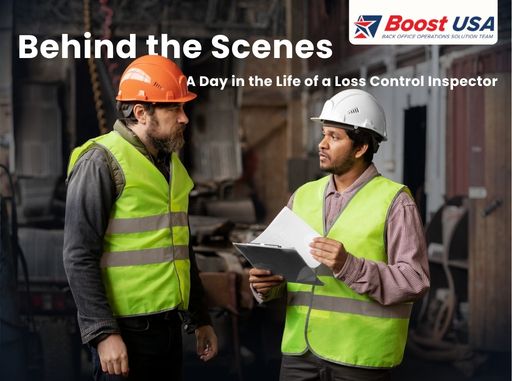
Mornings in the life of a loss control inspector begin at 7:30 AM on a project site, such as a distribution center. For instance, it could be a comprehensive commercial auto inspection for a firm running 45–50 delivery vehicles. The job of a loss control inspector goes beyond just checking inboxes.
The job also entails reviewing DOT compliance records and FMCSA regulations with the fleet manager. Each vehicle is examined for tyre conditions, safety equipment, and brake systems. In addition, evaluating telematics systems and assessing how vehicle tracking reveals driver behavior such as speeding or harsh braking, is also part of a loss control inspector’s job. A truck may look perfect, but telematics shows whether a driver has been pushing the limits on the road.
What Does a Loss Control Inspector Actually Do?
A loss control inspector evaluates commercial properties and operations. This helps identify potential risks before they can lead to injuries, accidents, or property damage. They are professionals who specialize in spotting problems that help insurers make smarter underwriting decisions and help businesses operate more safely.
The job of loss control inspection covers different territories. One day, you are inspecting warehouse fire suppression systems, and the next day, you are reviewing commercial auto fleets for compliance with federal regulations. Professionals may also assess the safety of manufacturing equipment or evaluate construction site hazards. Every inspection directly influences whether a particular business will receive insurance coverage and at what cost.
Afternoon: Property Risk Assessment
After lunch, a loss control inspector inspects a manufacturing facility by photographing loading docks, examining electrical panels, testing fire alarms, and documenting housekeeping practices. Every detail matters because small oversights can lead to big claims. When businesses address safety recommendations, everyone benefits from fewer accidents and lower premiums.
The Reality of Loss Control Consultant Jobs
Do you want to embrace a career in loss control consultancy? Here are the facts you need to know: Loss control consultant salaries typically range from $50,000 to $85,000 per year. Experienced consultants earn significantly more.
Exact loss control consultant salaries depend on several factors, such as experience level, location, and whether you work independently or with an insurance carrier.
A loss control consultant job description requires a unique skill mix. Aspirants need technical knowledge of building codes, fire safety, OSHA regulations, and industry-specific hazards. Strong communication skills are critical, as loss control inspectors must explain complex risks to business owners who may not have safety backgrounds.
Physical stamina is another quality. Professionals spend hours walking through warehouses, climbing ladders to check roofing systems, and crawling into tight spaces to inspect equipment.
How to Become a Loss Control Consultant
Do you wonder how to become a loss control consultant? Most inspectors start with a background in risk management, safety, or related fields. Certifications such as ARM, CSP, or CIH help. Experience in construction, engineering, fire safety, or law enforcement provides a solid foundation for the career.
However, loss control consultancy is a profession where learning never ends. Regulations change constantly. Vehicle telematics, which did not exist a decade ago, now provides important data for commercial auto inspections. Modern loss control inspectors must also stay up to date on evolving FMCSA regulations and DOT requirements.
End of Day: Where Quality Control Meets Technology
By the end of the day, around 5 PM, a loss control inspector uploads photos and completes reports in the LC360 platform. Quality matters. Incomplete reports delay underwriting decisions and can frustrate everyone. This is where companies like Boost USA help insurers. While loss control inspectors focus on fieldwork, specialized teams handle report review, quality assurance, and territory management. The result is faster turnaround times and skilled inspectors who can complete more inspections without being overwhelmed by paperwork.
Why Loss Control Inspector Jobs Matter More Than Ever
Insurers are facing mounting pressure to assess risks with greater precision. Businesses today need practical safety guidance, not just compliance-focused reports. The loss control inspector bridges these requirements.
Those considering this career path can expect strong earning potential and the opportunity to create real impact.
FAQs
How does loss control consulting help insurers reduce insurance claims?
Loss control consulting identifies hazards before they cause losses. Consultants recommend corrective actions that reduce the frequency and severity of claims. This leads to fewer incidents and lower overall claim payouts.
Why is loss control important for lowering underwriting and operational costs?
Effective loss control reduces claim volume, thereby lowering loss ratios. It also improves risk selection, minimizing costly high-risk policies. Fewer claims mean reduced administrative and legal handling costs.
What role do loss control consultants play in improving risk assessment accuracy?
Loss control consultants provide on-site inspections and detailed risk evaluations. They uncover hidden exposures that may not appear in applications. Their insights help underwriters price and classify risks more accurately.
How can insurers benefit from recruiting experienced loss control professionals?
Experienced professionals bring proven best practices and industry benchmarks. They help standardize risk evaluations and improve portfolio quality. This results in stronger underwriting decisions and better long-term profitability.
Ready to Start Your Career in Loss Control?
Whether you’re exploring loss control consultant jobs or you’re an insurance carrier looking to streamline your inspection operations, understanding what happens behind the scenes makes all the difference. Boost USA helps insurance companies maximize their loss control programs through expert administration, quality control, and inspector support services. From commercial auto fleet inspections to comprehensive property risk assessments, we ensure inspections get done right and fast.
Want to become a loss control inspector or learn how Boost USA can enhance your inspection operations? Contact us today!