Insurance operations are only as effective as the information and processes supporting them. Insurers, MGAs, and risk management firms often make important decisions using incomplete property data, delayed inspection reports, inconsistent risk evaluations, or disconnected workflows. These gaps can contribute to preventable claims, inaccurate pricing, operational delays, and rising loss ratios. This is where loss control services become essential.
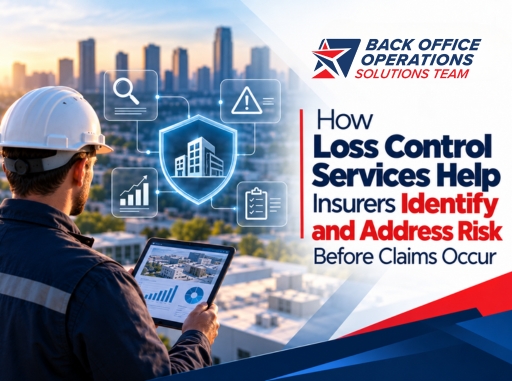
Loss Control Services are more than a compliance exercise. Modern loss control is a strategic function within Insurance Operations that helps insurers identify hazards before they become claims. By connecting field level observations with underwriting, policy processing, and risk management workflows, loss control teams can help insurers respond to exposures earlier and support proactive risk reduction.
Why Insurance Operations Need Better Risk Intelligence
Underwriters are responsible for evaluating risk, setting premiums, and determining policy terms. However, applications, historical claims data, and financial records often reveal only part of the story.
What they cannot always show are:
- Fire protection deficiencies
- Unsafe operational practices
- Building maintenance issues
- Electrical hazards
- Liability exposures
- Regulatory compliance gaps
Without accurate field data, underwriters may unknowingly accept risks that should have been modified, priced differently, or declined altogether.
Effective loss control provides the real world visibility needed to close this information gap. Inspection findings can be documented, organized, and delivered to the appropriate teams, helping insurers make better decisions while keeping important risk information connected to broader Insurance Operations.
How Property Inspection Services Strengthen Insurance Operations
One of the most valuable components of loss control is the inspection process itself. Professional property inspection services evaluate physical conditions, safety procedures, operational risks, and compliance issues.
These inspections provide underwriters and insurance operations teams with actionable insights that improve decision making and reduce uncertainty. For example, a commercial property may appear to be low risk based on application data. However, an on site inspection could uncover outdated electrical systems, blocked fire exits, or poor housekeeping practices that significantly increase the likelihood of loss.
By identifying these issues early, insurers can:
- Adjust pricing appropriately
- Require corrective actions
- Implement risk improvement plans
- Reduce claim frequency
- Improve portfolio profitability
- Strengthen risk documentation
This proactive approach helps move insurance operations away from a reactive model and toward a more preventive approach to risk management.
How Loss Control Services Help Reduce Risk Before Claims Occur
The most successful insurers understand that risk reduction begins long before a claim is filed.
Loss control professionals identify vulnerabilities and provide recommendations that help insureds strengthen their operations. These recommendations often focus on practical loss prevention strategies, including:
Risk Area | Common Recommendation | Potential Impact |
Fire Safety | Improve fire suppression systems | Reduced fire losses |
Electrical Systems | Repair unsafe wiring | Lower property damage risk |
Slip and Fall Hazards | Improve housekeeping practices | Reduced liability claims |
Equipment Operations | Implement maintenance schedules | Fewer equipment failures |
Safety Programs | Implement employee training initiatives | Reduced workplace incidents |
These recommendations become more valuable when they are incorporated into a structured operational workflow. Insurers can assign actions, monitor outstanding recommendations, send follow ups, and document completion. This creates greater visibility across the risk management process and helps ensure that identified hazards do not remain unresolved.
Common Challenges in Traditional Insurance Operations
While the value of loss control is widely recognized, many organizations struggle with operational bottlenecks that make it difficult to act on inspection findings quickly.
Common challenges include:
- Inspection backlogs
- Delayed report delivery
- Inconsistent report quality
- Recommendation follow up failures
- Limited underwriting visibility
- Resource shortages during peak periods
- Disconnected systems and workflows
- Manual data entry and administrative tasks
When reports arrive weeks after inspections are completed, underwriting and policy processing decisions can be delayed. When recommendations are not tracked, opportunities to improve risk are lost.
These inefficiencies can also create unnecessary administrative work for insurance operations teams. Employees may spend time transferring information between systems, following up on recommendations manually, or searching for inspection documentation instead of focusing on higher value activities.
How Insurance Operations Technology Improves Loss Control Workflows
Modern Insurance Operations increasingly depend on technology to connect data, people, and processes. An effective technology driven loss control workflow can help insurers move information from inspection to reporting, recommendation management, quality assurance, and underwriting teams with fewer manual steps.
This can include integration with a policy administration system, loss control platforms, document management systems, and other insurance technology used throughout the organization.
With the right insurance system integration, inspection information can move more efficiently between operational workflows. This reduces duplicate data entry, improves information accessibility, and gives teams greater visibility into the status of inspections and recommendations.
Technology can also support insurance policy administration by helping ensure that relevant risk information is available to the appropriate teams throughout the policy lifecycle.
How Insurance Process Outsourcing Supports Loss Control
Not every insurer has the internal resources needed to manage every loss control activity efficiently. Inspection backlogs, seasonal demand, staffing shortages, and growing administrative workloads can place pressure on internal teams.
Insurance process outsourcing can help organizations scale specific operational functions without requiring a permanent increase in internal staff.
Outsourced support can include inspection coordination, report processing, recommendation tracking, quality assurance, data entry, document management, and other administrative activities. This allows internal teams to focus on underwriting, claims, policyholder service, and other strategic responsibilities while experienced support teams handle defined operational workflows.
The goal is not simply to move work outside the organization. Effective outsourcing should create a more consistent and scalable operating model while maintaining appropriate quality and oversight.
How Modern Loss Control Services Enable Faster and Smarter Insurance Operations
Today’s leading insurers are adopting scalable approaches to streamline loss control operations.
Boost USA helps insurers improve inspection workflows through recommendation management, guided self inspections, quality assurance, territory management support, and loss control system integration. These services deliver accurate risk information faster while reducing administrative work.
Guided and video assisted inspections speed up data collection, while centralized recommendation management tracks risk mitigation actions through completion. Quality assurance improves report accuracy and consistency, and system integration reduces manual handoffs.
The result is a more efficient insurance operation powered by timely, high quality risk intelligence.
Better Risk Data Leads to Better Insurance Operations
The connection between loss control and insurance operations is straightforward.
When insurers have access to accurate inspection data, verified risk assessments, and consistent reporting, they can:
- Price risks more accurately
- Reduce adverse selection
- Improve loss ratios
- Accelerate underwriting decisions
- Strengthen policyholder relationships
- Lower overall claim frequency
- Reduce administrative bottlenecks
- Improve operational visibility
Loss control does not simply document risk. It helps insurers actively manage it.
Every inspection, recommendation, and follow up action can contribute to a more connected operational workflow. When these activities are supported by appropriate technology, system integration, and experienced operational resources, insurers can identify risks earlier and respond before those risks develop into costly claims.
Final Thoughts
In an increasingly complex insurance environment, insurers need more than historical data and assumptions to manage risk effectively. They need timely field level insights, efficient workflows, and reliable processes that connect risk information with the people responsible for acting on it.
Effective Loss Control Services provide that visibility while supporting stronger insurance operations. Comprehensive inspections, actionable recommendations, quality assurance, system integration, and scalable operational support help insurers identify exposures earlier and take steps to address them before claims occur.
Organizations that invest in proactive loss control and efficient insurance operations are better positioned to improve risk selection, reduce preventable losses, control administrative costs, and build a stronger, more resilient book of business.
FAQs
How do Loss Control Services support Insurance Operations?
Loss Control Services provide insurers with accurate information about property conditions, operational risks, and safety hazards. This information can support underwriting, policy processing, risk management, and other insurance operations by helping teams identify and address exposures earlier.
How does a policy administration system support loss control workflows?
A policy administration system can help connect policy information with other insurance workflows. When integrated with loss control processes, it can improve information visibility, reduce manual data entry, and help teams access relevant information throughout the policy lifecycle.
How can insurance system integration improve loss control?
Insurance system integration can connect inspection, reporting, recommendation management, policy, and other operational workflows. This can reduce duplicate work, improve data accessibility, and help teams respond to identified risks more efficiently.
How does insurance process outsourcing help insurers manage loss control?
Insurance process outsourcing can provide additional support for activities such as inspection coordination, report processing, recommendation tracking, quality assurance, and data management. This helps insurers manage operational workloads while allowing internal teams to focus on higher value responsibilities.
Why is policy processing important to efficient Insurance Operations?
Efficient policy processing helps insurers manage policy information accurately and consistently. When policy processing is supported by connected systems and reliable risk information, insurers can reduce administrative delays and improve the overall efficiency of their insurance operations.
Strengthen Your Insurance Operations With Smarter Loss Control Services
The most successful insurers are not waiting for losses to reveal hidden risks. They are using comprehensive Loss Control Services, property inspection services, recommendation management, and technology enabled workflows to identify exposures early and implement effective loss prevention strategies before claims occur.
If your organization is looking to improve Insurance Operations, accelerate inspection workflows, strengthen system integration, and reduce administrative costs, explore how Boost USA’s Loss Control Services can help you build a more efficient and risk aware insurance operation. Get in touch with us today!