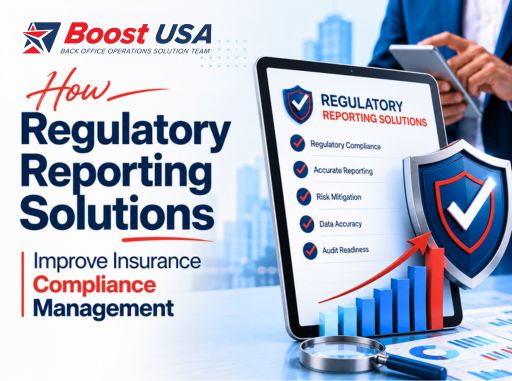
Insurance compliance is becoming increasingly difficult every year. Regulators continue to introduce new requirements, and the cost of falling behind is higher than ever. For insurers, MGAs, and TPAs still relying on spreadsheets and manual reporting, keeping up with changing rules can quickly become overwhelming. Regulatory reporting solutions help organizations stay compliant by automating reporting, reducing errors, and ensuring that all important filings are submitted accurately and on time.
Why Insurance Compliance Reporting Has Outgrown the Spreadsheet
A typical compliance team tracks dozens of state filings, market conduct requirements, and data calls simultaneously, each with its own format, deadline, and documentation standards. Regulatory expectations continue to evolve as insurers adopt new technologies, expand into new markets, and face increased scrutiny from state regulators.
When insurance compliance reporting still runs through shared drives and manual reconciliation, gaps do not announce themselves. They surface during an examination, when it is too late to address them quietly. What begins as a missed deadline or reporting inconsistency can quickly become a regulatory issue that consumes significant time and resources.
What Regulatory Reporting Automation Solves for Insurance Compliance
Regulatory reporting automation does not just speed up paperwork. It removes the points where compliance breaks down: data pulled from three systems that do not communicate with each other, version control disputes over which spreadsheet is current, and reports assembled during the week a filing is due rather than maintained continuously.
Automated workflows centralize data collection, apply consistent validation rules, and generate filing ready reports on a schedule, so nothing depends on one person remembering a due date. The result is a more reliable and repeatable compliance process that scales as reporting requirements grow.
How Regulatory Reporting Solutions Reduce Insurance Compliance Risk
The greatest value of regulatory reporting solutions is not efficiency. It is a risk reduction. Every regulatory filing represents a potential point of failure if the underlying data is inaccurate, incomplete, or submitted late. Manual processes increase the likelihood of errors that can attract unwanted regulatory attention.
Modern reporting platforms reduce these risks by standardizing workflows and validating information before reports are submitted. Missing fields, inconsistent data, and incomplete documentation can be identified and corrected early in the process. Instead of reacting to compliance failures, organizations can prevent them.
This proactive approach allows insurers to maintain stronger insurance compliance while reducing the operational burden placed on internal teams.
Why Real Time Compliance Visibility Matters
Many insurance organizations struggle because compliance activities are spread across departments. Underwriting, claims, finance, and operations teams may all contribute information required for regulatory reporting, yet no single group has complete visibility into the entire process.
Regulatory reporting solutions provide centralized dashboards that track filing deadlines, outstanding tasks, documentation requirements, and reporting status across the organization. Compliance leaders can quickly identify bottlenecks, monitor progress, and address issues before they become regulatory concerns.
This level of visibility transforms compliance from a reactive function into a proactive management discipline. Rather than scrambling before deadlines, organizations can maintain continuous oversight of their regulatory obligations.
The Hidden Cost of Insurance Compliance Gaps
Most compliance failures do not happen because organizations ignore regulations. They happen because critical information is scattered across systems, teams, and spreadsheets. A missed filing deadline, an outdated report version, or an undocumented process change can create regulatory exposure long before anyone realizes there is a problem.
As insurers expand into new markets, launch new products, and manage growing volumes of data, these gaps become harder to detect and more expensive to fix. Strong insurance compliance depends on having complete visibility into every regulatory obligation, not just the ability to respond when an examiner comes calling.
Building Insurance Audit Readiness Before the Exam Letter Arrives
Insurance audit readiness is not a sprint that starts when a notice arrives. It is the byproduct of how cleanly compliance work has been documented all along. Examiners ask for evidence of control testing, remediation history, and consistent reporting, not promises that the process works.
Teams that centralize documentation as the work happens can produce that evidence in minutes. Teams relying on inboxes and individual memory spend days reconstructing it, often incompletely.
A strong regulatory reporting solution automatically creates an audit trail. Every submission, revision, approval, and supporting document can be tracked and retrieved when needed. This reduces the stress associated with examinations and helps organizations demonstrate compliance with confidence.
Staying Ahead of Evolving Insurance Regulatory Requirements
The insurance regulatory landscape is constantly changing. New reporting requirements, data privacy expectations, technology oversight standards, and consumer protection initiatives continue to emerge at both the state and federal levels.
Organizations that rely on manual compliance processes often struggle to adapt quickly. Every regulatory change requires updates to workflows, reporting templates, and internal procedures. Without a structured system, these adjustments can create confusion and increase the likelihood of noncompliance.
Regulatory reporting solutions provide a more flexible foundation for managing change. By centralizing compliance activities and standardizing reporting processes, organizations can adapt to new requirements with less disruption.
For additional information on emerging regulatory topics and insurer oversight initiatives, insurers can review guidance from the National Association of Insurance Commissioners (NAIC)
Key Features of Effective Insurance Compliance Management Solutions
The carriers and MGAs handling this well share a few habits: one system of record for every regulatory obligation instead of one per department, recurring workflows with assigned ownership rather than ad hoc effort, audit trails captured as work happens instead of rebuilt after the fact, and dashboards that give leadership real visibility into what is open, overdue, or at risk before an examiner asks.
They also prioritize standardization. Every filing follows a defined process. Every task has a clear owner. Every compliance activity is documented consistently.
None of it requires a bigger team. It requires compliance management solutions built for the volume insurers are now facing.
How Boost USA Supports Insurance Compliance at Scale
This is where Boost USA’s Insurance BPO services fit. Our Quality Assurance and Reporting team handles process audits, compliance tracking, and performance reporting within the systems carriers, MGAs, and TPAs already use, backed by SOC 2 Type 2 and ISO 27001 certified operations.
Instead of pulling underwriters and adjusters into reporting cycles, Boost USA’s insurance trained teams manage documentation, validation, and recurring filings, so your internal staff can stay focused on underwriting and claims rather than chasing spreadsheets.
Final Thoughts
Insurance compliance is no longer a reporting exercise. It is a business critical function that directly affects operational stability, regulatory standing, and long term growth. As reporting requirements become more complex and state regulations continue to evolve, organizations that rely on manual processes will find it increasingly difficult to keep pace. Regulatory reporting solutions provide the visibility, consistency, and control needed to stay compliant before small gaps become costly problems.
Frequently Asked Questions About Regulatory Reporting Solutions
How do regulatory reporting solutions help insurance companies maintain compliance?
Regulatory reporting solutions automate data collection, validation, and filing processes, helping insurers submit accurate reports on time. They also provide audit trails and centralized documentation that make it easier to meet evolving regulatory requirements.
What are the benefits of using regulatory reporting solutions for insurance compliance management?
Regulatory reporting solutions reduce manual work, minimize reporting errors, improve audit readiness, and increase visibility into compliance obligations. They help insurers manage regulatory requirements more efficiently while lowering the risk of penalties and noncompliance.
Ready to Strengthen Your Insurance Compliance Strategy?
If your team is spending more time managing spreadsheets than managing risk, it may be time for a better approach. Boost USA helps carriers, MGAs, and TPAs streamline regulatory reporting, improve audit readiness, and maintain stronger insurance compliance without adding administrative burden to internal teams.
Contact us today to discover how a more efficient compliance process can reduce risk, improve reporting accuracy, and support sustainable growth.