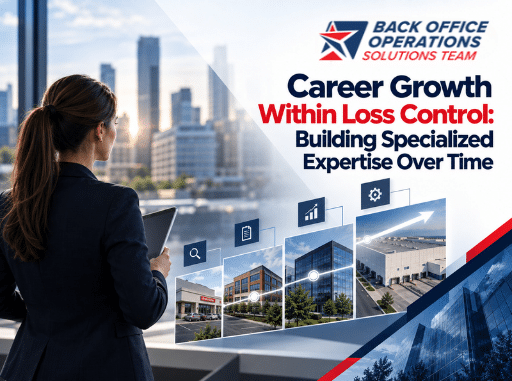
Your first inspection is just the beginning of a loss control career. With experience, you can move from documenting risks to advising underwriters and leading teams. The real question is: how do you make that leap? Here’s a complete roadmap and expert insight.
Key Takeaways
- A loss control career grows in stages, from fieldwork to advisory and leadership roles.
- Early loss control inspector jobs build the habits every senior role relies on.
- Specialization sets a loss control specialist apart.
- Credentials such as the ARM add credibility to experience.
- A strong loss control professional keeps learning as tools change.
What a Loss Control Career Looks Like Today
Loss control sits between inspection and underwriting. Inspectors spot hazards and recommend fixes. Underwriters use those insights to select and price risks.
That makes insurance inspection careers about far more than site visits. You become the carrier’s eyes. Over time, you become its trusted advisor.
Entry points vary. Some carriers hire recent graduates with no loss control experience and train them on the job. Others require two or three years of experience before offering field roles. Both paths lead to the same career ladder.
The Stages of Growth in a Loss Control Career
Stage 1: Field Foundation (0–2 years). You learn to observe risks. Construction types, fire protection, and housekeeping become second nature. Accurate reports matter most.
Stage 2: Independent Consultant (2–5 years). You manage a territory. You communicate directly with policyholders. Your recommendations carry weight.
Stage 3: Specialist (5–10 years). You develop expertise in a niche. Colleagues start coming to you with difficult questions.
Stage 4: Leader or Mentor (10+ years). You coach new hires and help shape standards. Senior consultant roles often include mentoring and training less experienced staff.
How to Become a Loss Control Specialist
Specialization turns a good inspector into a loss control specialist. Three steps can help you get there:
- Pick a niche. Choose an industry, line of business, or hazard type, and develop deep expertise.
- Learn the tools. Digital forms, remote inspections, and AI-assisted QA are changing how the work gets done.
- Sharpen your advice. Underwriters value short, clear recommendations over lengthy notes.
Do these consistently, and people will start seeking you out.
Credentials That Strengthen Risk Inspection Careers
Experience is the foundation. Credentials add proof of your expertise. The Associate in Risk Management is a popular choice for risk professionals. According to Insurance Business, the program takes six to nine months to complete and earns credits toward the CPCU designation.
Pair it with safety certificates and ongoing training. Your loss control career will then gain both credibility and more opportunities. That matters in risk inspection careers, where trust drives promotion.
How Boost USA Supports Loss Control Career Growth
Boost USA works in loss control every day. Its services include territory manager support, guided self-inspections, AI-powered QA, form building, LC360 integration, and BoostRM℠ recommendation management.
Why does that matter to you? Because the field is evolving. Inspectors who understand report QA, recommendation follow-up, and digital workflows stand out. Those skills open doors beyond field roles.
Boost USA serves insurers, MGAs, and MGUs with insurance-native teams. If you are looking for loss control inspector jobs with room to grow, its inspector page is a good place to start.
Final Thoughts
A loss control career rewards patience. Every inspection teaches you something. Every recommendation sharpens your judgment.
Over time, that experience compounds into expertise that carriers cannot easily replace. Start with strong fundamentals. Choose a specialty. Keep learning. The ladder is already there. You only have to climb it.
FAQs
Is a loss control career worth it long term?
Yes, a loss control career can offer long-term growth, from field inspections to consulting and leadership roles. Professionals who develop expertise in specialized risk areas may also find more opportunities to advance.
What do loss control inspector jobs require?
Requirements vary by employer and position. Some insurance carriers hire graduates and provide training, while others prefer candidates with two to three years of relevant experience and strong inspection and reporting skills.
How long does it take to become a loss control specialist?
There is no fixed timeline for becoming a loss control specialist. Many professionals build their expertise over several years of fieldwork, gaining experience in property inspections, risk assessment, and loss prevention.
Can I work remotely in loss control?
Yes, some loss control positions offer remote or home-based work arrangements. However, many roles still require travel to inspect properties, assess risks, and meet clients within an assigned territory.
Ready to Start or Grow Your Loss Control Career?
Take the next step toward a rewarding career in insurance risk assessment and loss prevention with Boost USA. Explore opportunities to build your inspection skills, gain hands-on experience, and advance your career. Become a loss control inspector and skyrocket your career with us.