The inspection model is designed to reduce costs, close coverage gaps, and transform how the insurance industry manages risk at scale. Here is a scenario that most carriers and inspection firms are familiar with. A new commercial account comes in. The underwriter needs a property survey before binding. The nearest available inspector is three counties away. The insured is busy, and scheduling takes a week. The report arrives late, and somewhere in that delay, a hazard goes undocumented. This is the problem that a well-structured insurance self inspection program is designed to solve.
What Is a Self Inspection Program and Why Is It Gaining Popularity
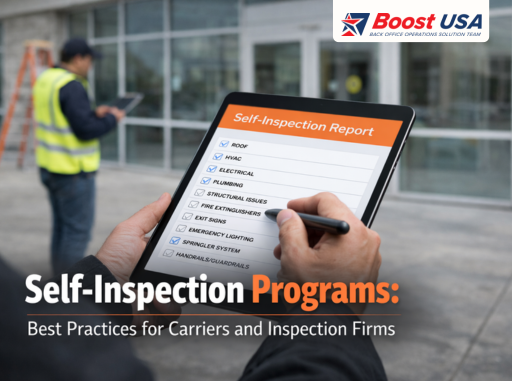
A self inspection program enables the insured, the property owner or the business operator to complete a guided property survey themselves. This happens through a mobile-friendly digital platform. Instead of waiting for an inspector to visit, the insured walks through their property, answers structured questions, uploads photos, and submits the data in real time.
For carriers and MGAs, this is not about cutting corners. It is about expanding capacity wisely. Traditional field inspections are resource-intensive. When risks are lower, straightforward accounts consume the same inspection resources as complex commercial properties. The system suffers and becomes overloaded. A self inspection program frees that capacity. High-risk accounts receive in-person attention. Lower complexity accounts complete verified surveys on their own timeline. This improves speed for everyone.
Technology Behind an Effective Digital Inspection Workflow
When people talk about self inspection, what often comes to mind is unverified photos and unreliable data. This is a legitimate concern. However, it only applies to poorly designed programs. A strong digital inspection workflow eliminates these risks through four core mechanisms.
- GPS verification confirms that the insured is physically present at the insured location during the survey.
- Structured digital checklists with conditional logic ensure that no important question is skipped or answered unclearly.
- Guided photo prompts standardize what gets documented and from what angle. This creates consistent evidence across accounts.
- Real-time data submission means that loss control teams receive completed surveys immediately instead of days later through email attachments.
Platforms like the guided self inspection service offered by Boost USA take this further by enabling live video chat support when an insured needs help navigating the process. Whenever a policyholder gets stuck or the data quality is insufficient, a trained support specialist steps in virtually to guide the inspection in real time without dispatching a field consultant. If the self inspection cannot be completed, the workflow automatically escalates the case to a certified loss control inspector.
This is a tiered approach that begins with digital processes and introduces human support when required. Field escalation as a last resort is what separates a scalable insurance self inspection program from a risky data collection process.
Best Practices for Carriers Implementing a Self Inspection Program
Implementation quality determines results. Carriers that see measurable return on investment from self inspection programs follow these consistent principles.
- They segment their book first because not every account is a candidate. They identify which policy types, coverage lines, and risk profiles are appropriate for self-guided surveys. Simple habitational, small commercial, and select BOP accounts are often good starting points.
- They invest in form design. A self inspection is only as useful as the questions it asks. Partnering with a specialist in loss control form building ensures that the checklists capture the underwriting data you actually need without overwhelming the insured with unnecessary fields.
- They close the loop on recommendations. A completed self inspection that generates unresolved hazard recommendations is a liability rather than an asset. They integrate self inspection data with a recommendation management workflow so that identified issues are tracked, communicated, and verified as corrected.
- They audit data quality regularly. Self-reported data requires quality assurance oversight. They establish a review process that flags incomplete submissions, inconsistent photo documentation, or responses that require follow-up before underwriting decisions are finalized.
- They train the insured, not just the staff. They recognize that the policyholder is now part of the inspection process. A short and clear instruction set delivered through an email link, with no app download required, dramatically improves completion rates and data quality.
Best Practices for Inspection Firms Adapting to Self Inspection Programs
Loss control inspection firms are entering a transition period. As more carriers adopt self inspection programs, the demand for routine field surveys on standard risk accounts will decrease. This is not a threat to skilled inspectors. It is a redirection of their expertise toward the work that truly requires their involvement.
Inspection firms that adapt successfully treat self inspection programs as a complement to their field operations rather than a competitor. These companies position their consultants for complex commercial surveys, multi location risk assessments, and escalated accounts where physical presence is essential.
Administrative and scheduling support includes tasks that consume billable hours but do not generate technical inspection value. These responsibilities can be managed through back office operations partners, allowing field professionals to remain focused on inspections.
The firms that thrive in this environment are also investing in loss control system integration so that field reports and digital self inspection data flow into a unified platform. Fragmented data across multiple systems creates the same delays and gaps that self inspection programs were designed to eliminate.
Why Self Inspection Programs Make Operational Sense
Self inspection programs significantly reduce turnaround times. They lower inspection costs per account and extend loss control reach into areas with a scarcity of inspectors. When built on a structured digital inspection workflow with proper quality assurance, escalation paths, and recommendation tracking, they produce data that stands up to underwriting scrutiny.
Boost USA helps MGAs, carriers, inspection firms, and mutuals build and operate self inspection programs that truly work. This combines guided digital survey tools, live support, form building expertise, and back office administration into a seamless operational model.
If your current inspection process is creating delays, inconsistencies, or rising costs, the solution is not simply adding more inspectors. The solution is a well-planned self-inspection program.
The insurance carriers that succeed are not the ones with the largest inspector networks. They are the ones with the most efficient inspection ecosystems.
Conclusion: The Future of Insurance Self Inspection Programs
Self inspection programs are no longer an experiment. They are a practical standard for modern insurance operations. When built on a structured digital inspection workflow with clear quality assurance processes, escalation paths, and guided support, they accelerate underwriting, reduce operational costs, and ensure reliable risk data without overwhelming field resources.
Frequently Asked Questions About Self Inspection Programs
What is a self inspection program in the insurance industry?
A self inspection program allows policyholders to complete guided property inspections using a digital platform. They answer structured questions, upload photos, and submit information in real time. This allows insurers to collect risk data without always sending a field inspector.
How do self inspection programs benefit insurance carriers and inspection firms?
Self inspection programs reduce inspection turnaround times and operational costs. They allow carriers to reserve field inspectors for complex or high-risk properties. Inspection firms can focus their expertise on detailed risk assessments rather than routine surveys.
What technologies improve the accuracy of self inspections?
Modern self inspection platforms use GPS verification, structured digital checklists, and guided photo prompts. Real-time data submission and mobile-friendly interfaces help ensure complete and timely reporting. Some systems also include live video support for additional verification.
What best practices ensure reliable results in a self inspection process?
Reliable programs start with proper risk segmentation to identify which accounts qualify for self inspection. Clear digital forms, guided instructions, and photo documentation standards improve data quality. Regular quality assurance reviews and escalation to field inspectors ensure accuracy and accountability.
Ready to Modernize Your Inspection Workflow?
Partner with Boost USA to design and deploy a self inspection program that delivers speed, accuracy, and scalability. Connect with our team today and start building a smarter inspection ecosystem for your organization.