There is a single moment that every underwriter fears about. A claim lands on the desk, the inspection report is pulled from the file, and the critical fields that should tell the story of that property’s risk are read in vague, surface-level language. There are no specific deficiencies, no documented hazards and no defensible records. The professional loss control inspection just happened. However, the professional behind it was not qualified and hence it did not count.
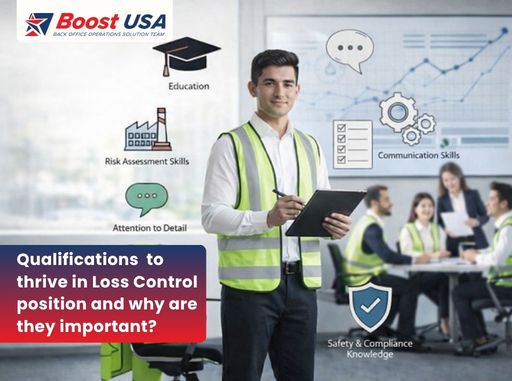
The professionals who thrive in the roles of loss control inspectors should have safety expertise, insurance knowledge and field judgement too. Let us delve deep into what qualification is needed to thrive and excel in the loss control inspection field.
1. A Field-Relevant Educational Background
Most loss control consultant jobs demand a degree in occupational safety, risk management, engineering, construction management, or a related field as a baseline. This is not credential collecting. It is the foundation for understanding why hazards exist, how building systems interact, and what industry-specific risk factors mean in a real-world context.
Without that foundation, inspectors record what they see. With it, they can interpret and the difference between observation and interpretation is the difference between a useful report and a liability that is waiting to happen.
2. Industry-Specific Technical Knowledge
Professional loss control spans commercial properties, manufacturing facilities, construction sites, healthcare environments, and more. Each carries its own hazard profile, regulatory framework, and documentation requirement. A professional who has worked in construction understands load-bearing structures. An HVAC technician reads mechanical systems. A fire safety professional knows suppression compliance from the inside.
This is why Boost USA specifically recruits from the backgrounds in construction, HVAC, fire safety, military service, and insurance. This is so because the technical credibility is what allows an inspector to generate risk intelligence rather than just fill out a checklist.
3. Recognized Industry Certifications
Certifications signal demonstrated competency and a commitment to professional standards. For those exploring how to become a loss control consultant, the following credentials are needed.
- Associate in Risk Management (ARM) foundational insurance and risk principles.
- Certified Safety Professional (CSP) OSHA standards and workplace hazard control.
- Associate in Loss Control Management (ALCM) Insurance Institute designation covering risk assessment and loss prevention.
- Certified Industrial Hygienist (CIH) for professionals working in occupational health environments.
These certifications matter not just for hiring, but because they develop the judgment that separates a qualified professional from someone simply going through the motions on a site visit.
4. Sharp Observational and Documentation Skills
Every loss control inspection produces a report. That report becomes part of the underwriting file, supports or challenges a claims investigation, and must hold up under regulatory scrutiny. This means the ability to observe with precision and communicate findings without ambiguity is not a soft skill. It is a core professional competency.
Vague language such as ‘appeared adequate’ or ‘generally acceptable’ creates defensible gaps that ultimately favor claimants. Qualified professionals document with specificity: exact conditions observed, precise deficiency descriptions, and clear, actionable recommendations. Documentation quality is where professional loss control either delivers value or quietly erodes it.
5. Physical Readiness and Independent Work Capability
Loss control is field work. Inspections involve climbing ladders, accessing rooftops, navigating active construction environments, and assessing spaces that are neither comfortable nor convenient. Physical capability is a genuine requirement, not a formality.
Equally important is the capacity to work independently. Most loss control consultant jobs are structured around self-directed schedules, solo field visits, and the professional discipline to complete quality reports without direct supervision. This is what makes the role rewarding for the right person and unsustainable for someone who depends on external structure to stay on track.
6. Risk Assessment Thinking and Customer Service Mindset
The best loss control professionals think in systems, not isolated observations. They assess how one risk factor creates exposure in another area, identify patterns across property types, and translate technical findings into language that underwriters and policyholders can act on. That analytical capability develops through experience. This is something precisely what separates an inspector who files reports from one who genuinely reduces risk.
Equally, the role involves direct interaction with business owners, facility managers, and operations teams. The ability to communicate findings professionally, maintain trust, and deliver difficult recommendations without damaging the relationship is what sustains long-term client value. Professional loss control is as much a relationship discipline as it is a technical one.
How to Become a Loss Control Consultant
For professionals wondering how to become a loss control consultant, the path typically involves three stages: building relevant field or industry experience, pursuing recognized certifications that establish professional credibility, and connecting with an organization that can turn those qualifications into active inspection opportunities.
Boost USA works with professionals across all of those entry points. Through our Loss Control Learning Center a free training resource is built specifically for those entering or growing in the field. We equip qualified professionals with the operational knowledge, documentation standards, and industry context that they need to perform at a high level from day one.
What Professional Loss Control Actually Produces
When qualified professionals fill loss control consultant jobs, the downstream effect is measurable. Inspection reports become defensible assets. Risk assessments drive accurate underwriting. Hazard recommendations generate traceable follow-through. And the entire insurance ecosystem like carriers, MGA, policyholders operate with trusted information.
The qualifications discussed here are not bureaucratic requirements. Every one of them exists because professional loss control only delivers its value when the professional expert delivering it is genuinely equipped to do the job.
If you have the background, the credentials, and the mindset, we can connect you with the opportunities that put them to work.
Final Thoughts
Professional loss control is not about completing inspections. It is about producing accurate risk intelligence that insurers, underwriters, and policyholders can rely on with confidence. The right qualifications transform a simple site visit into a defensible assessment that protects underwriting decisions and reduces long term risk exposure.
For professionals with the right background, training, and mindset, loss control offers a career that combines field expertise, analytical thinking, and real industry impact. When qualified experts step into the role, inspections stop being routine tasks and become powerful tools for smarter risk management.
FAQs
What qualifications are required for a professional loss control career?
Most professional loss control roles require a background in safety, risk management, engineering, construction, or a related technical field. These qualifications help professionals understand property risks, safety systems, and operational hazards during inspections.
Which skills are essential to succeed in professional loss control roles?
Key skills include strong observational ability, risk assessment thinking, clear documentation, technical knowledge of safety systems, and effective communication with underwriters and business owners.
Do certifications improve opportunities in professional loss control positions?
Yes. Certifications such as the Insurance Institute of America designations like Associate in Risk Management (ARM) or credentials like Certified Safety Professional (CSP) demonstrate expertise and improve credibility with insurers and inspection firms.
Why is industry experience important in professional loss control careers?
Industry experience helps inspectors recognize real-world hazards, understand operational risks, and provide practical recommendations that support accurate underwriting and effective loss prevention.
Ready to Break Into the Loss Control Inspection Field and Accelerate Your Career?
Discover high-demand loss control consultant jobs and access free professional training through Boost USA’s Loss Control Learning Center. Build the skills insurers need, connect with industry experts, and take the first step toward a rewarding inspection career. Apply with Boost USA today and start building your future in loss control.